
A Guide for Junior Judges
Large ears are one of the defining features of Siamese and Oriental cats. They are often one of the first things that catch a judge’s eye when an exhibit is on the bench.
Because of this, newer judges sometimes place too much emphasis on ears when assessing type. While ear placement is important, it is only one element of the overall head balance and does not by itself determine the quality of the exhibit.
To judge these breeds correctly, ears must always be assessed as part of the wedge-shaped head, not as an isolated feature.
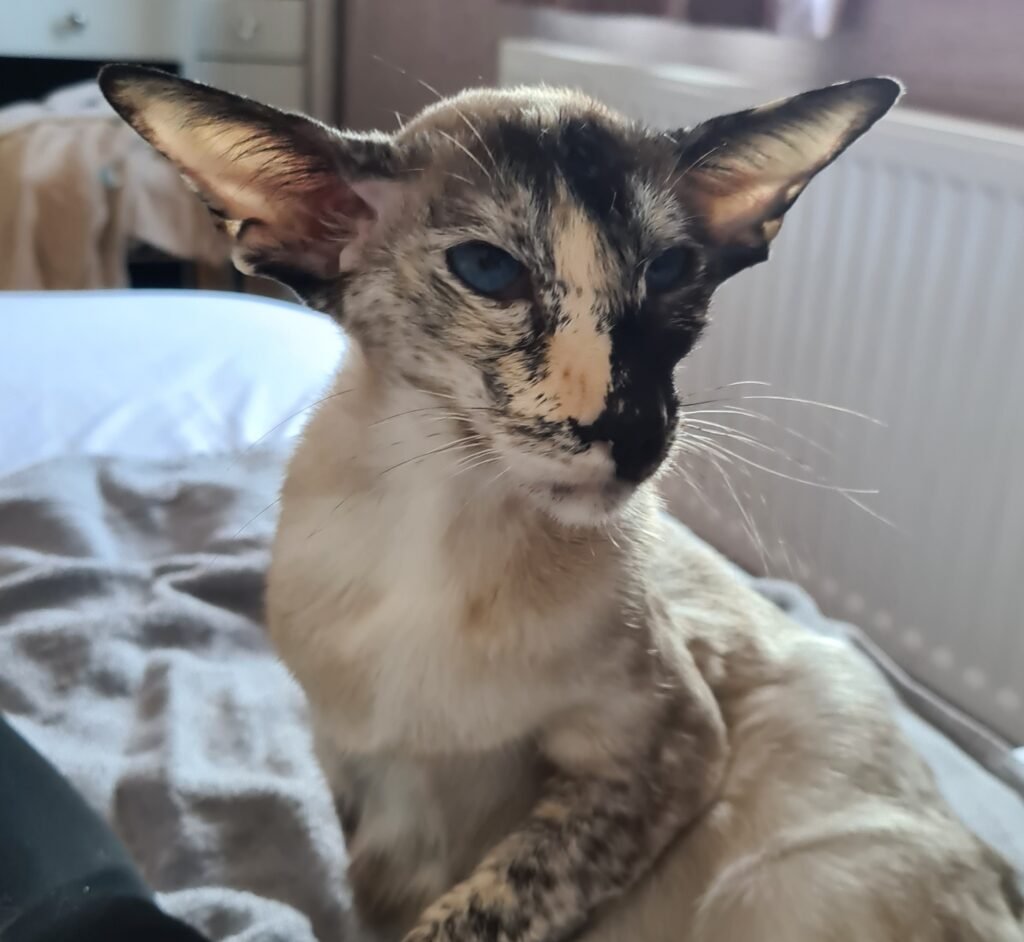
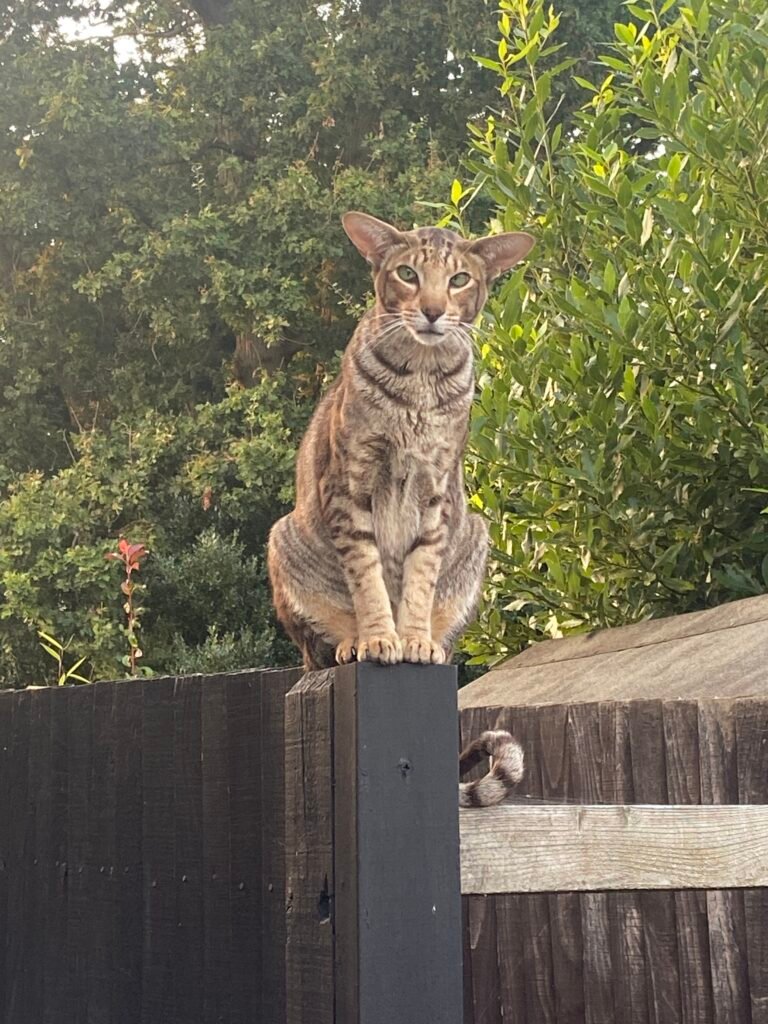
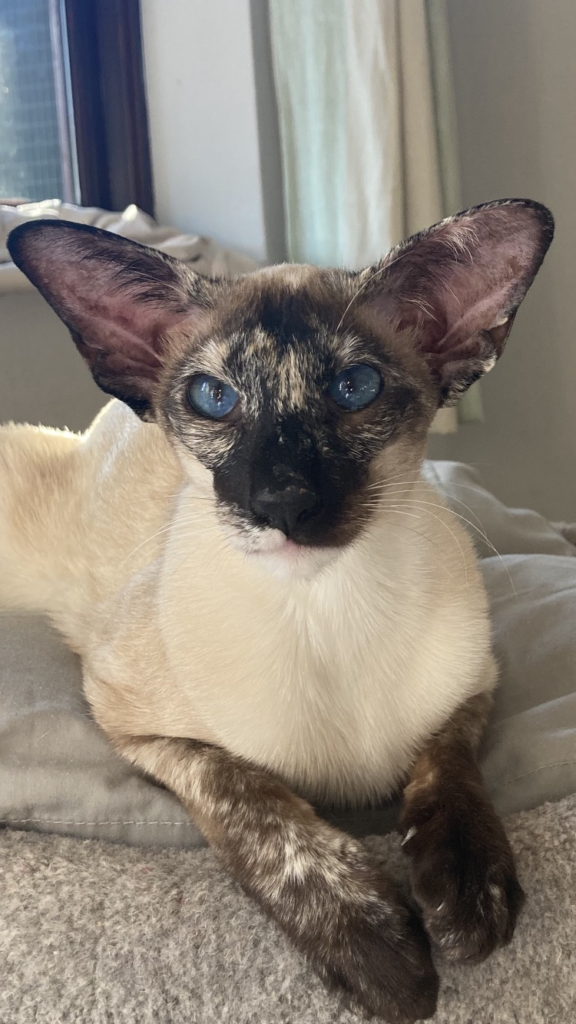
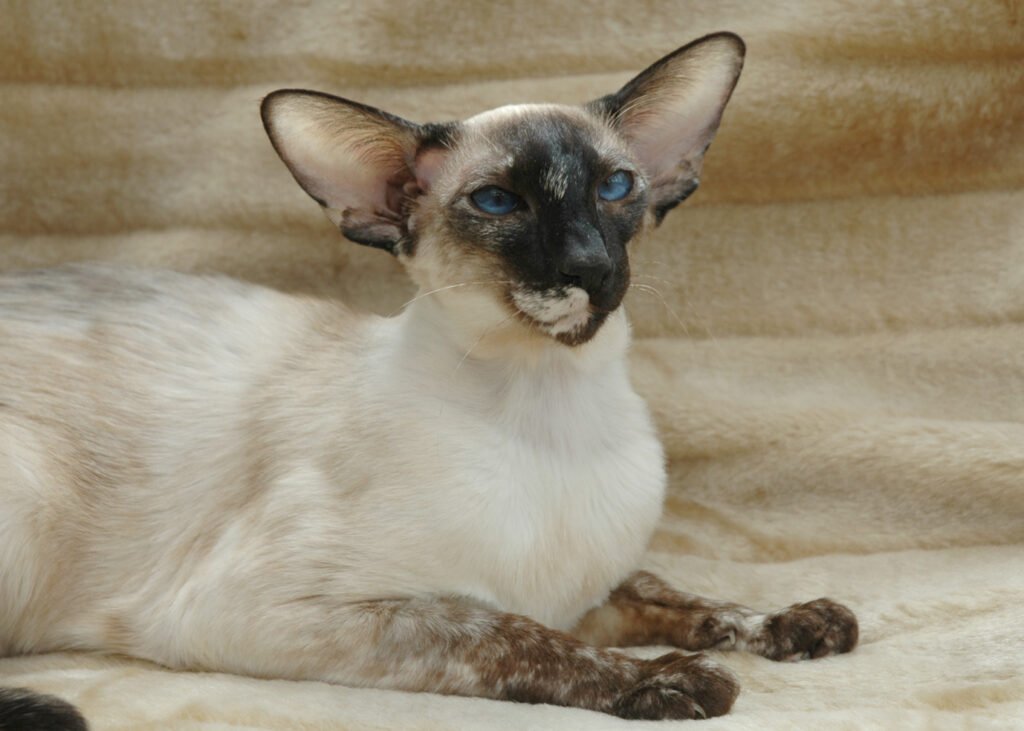
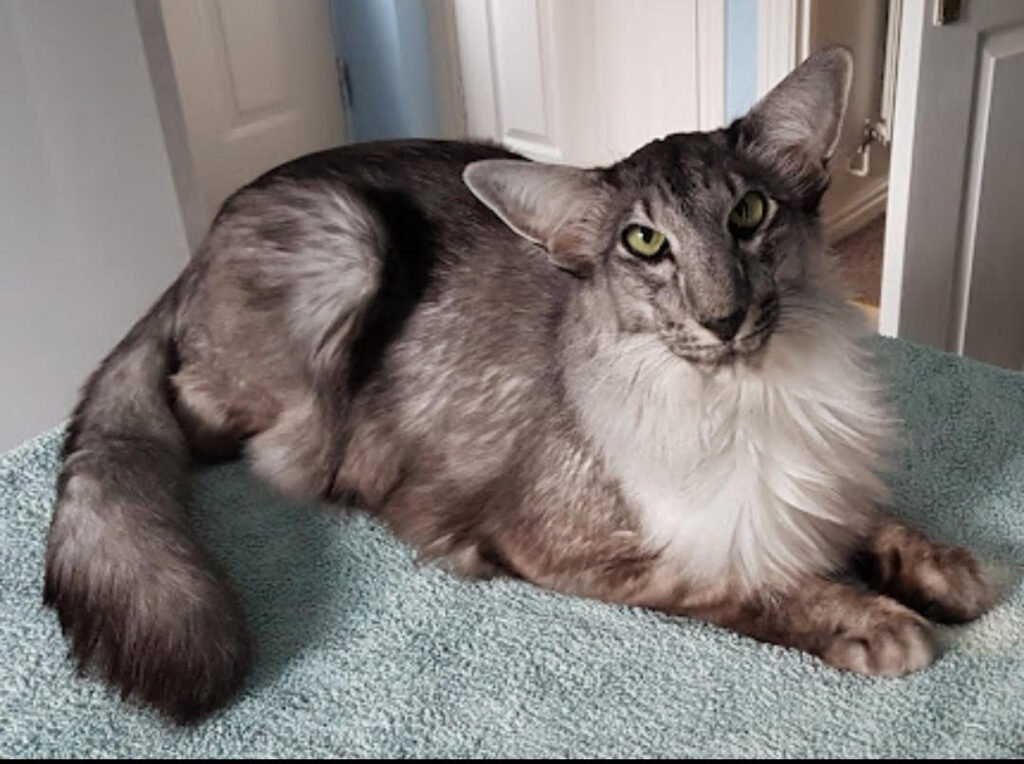
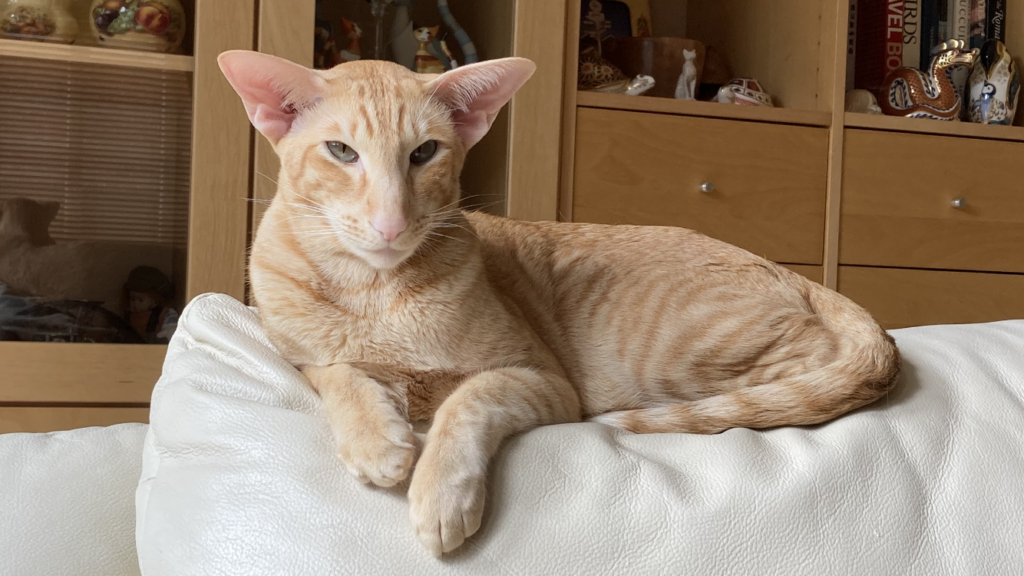
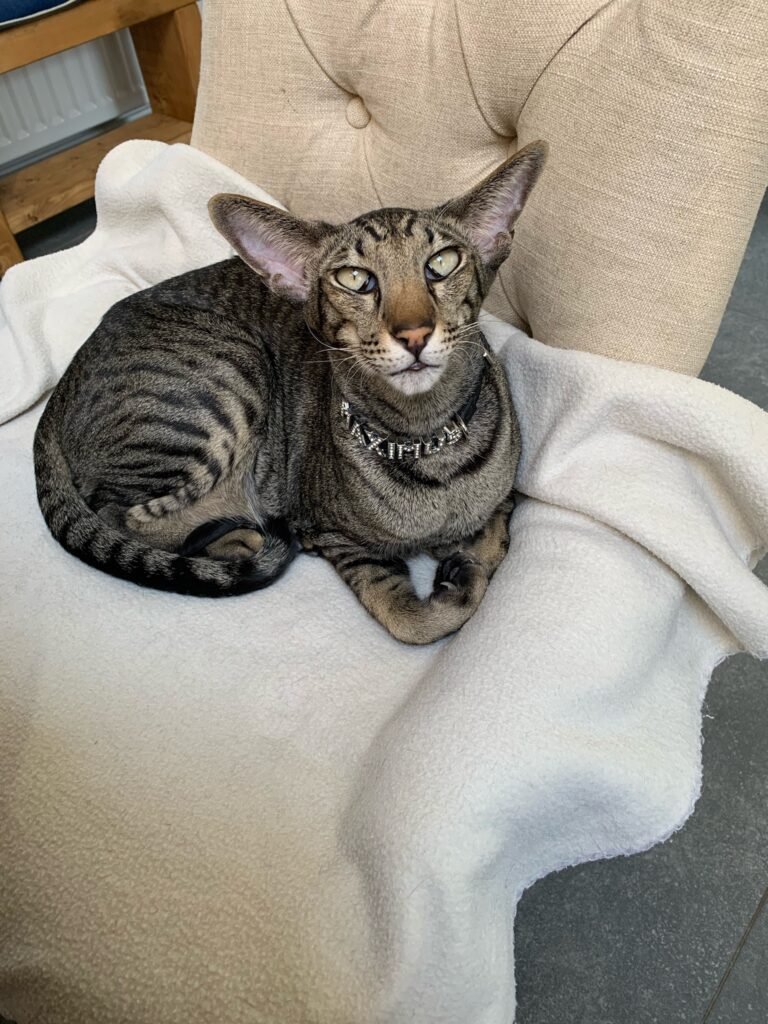
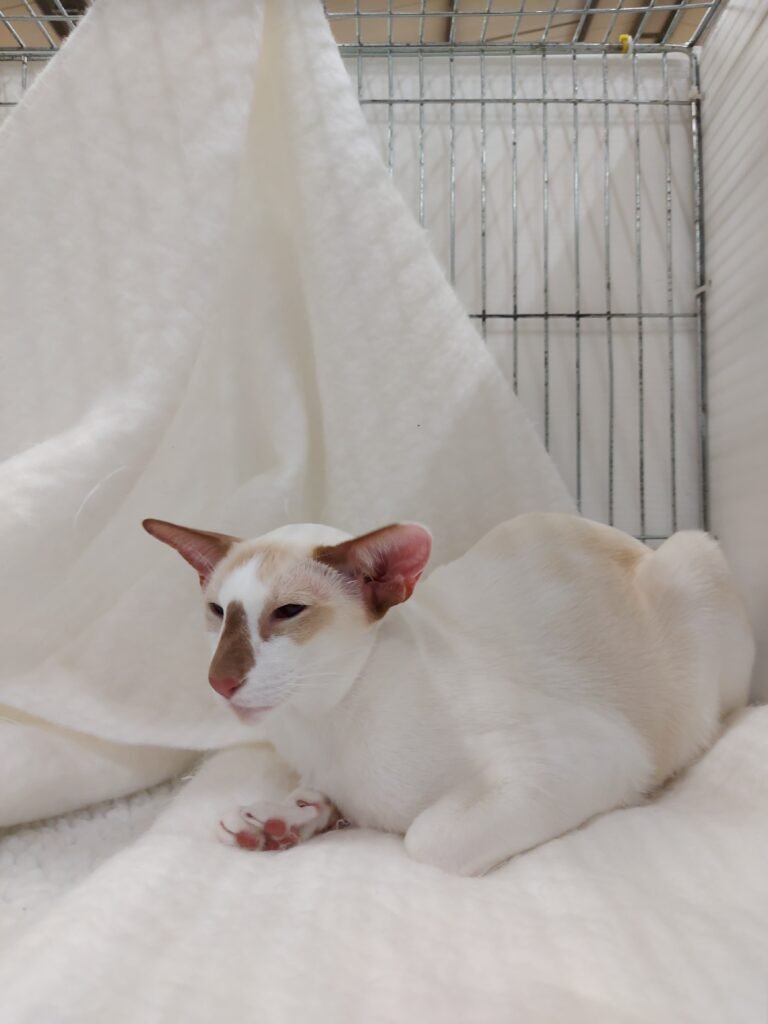
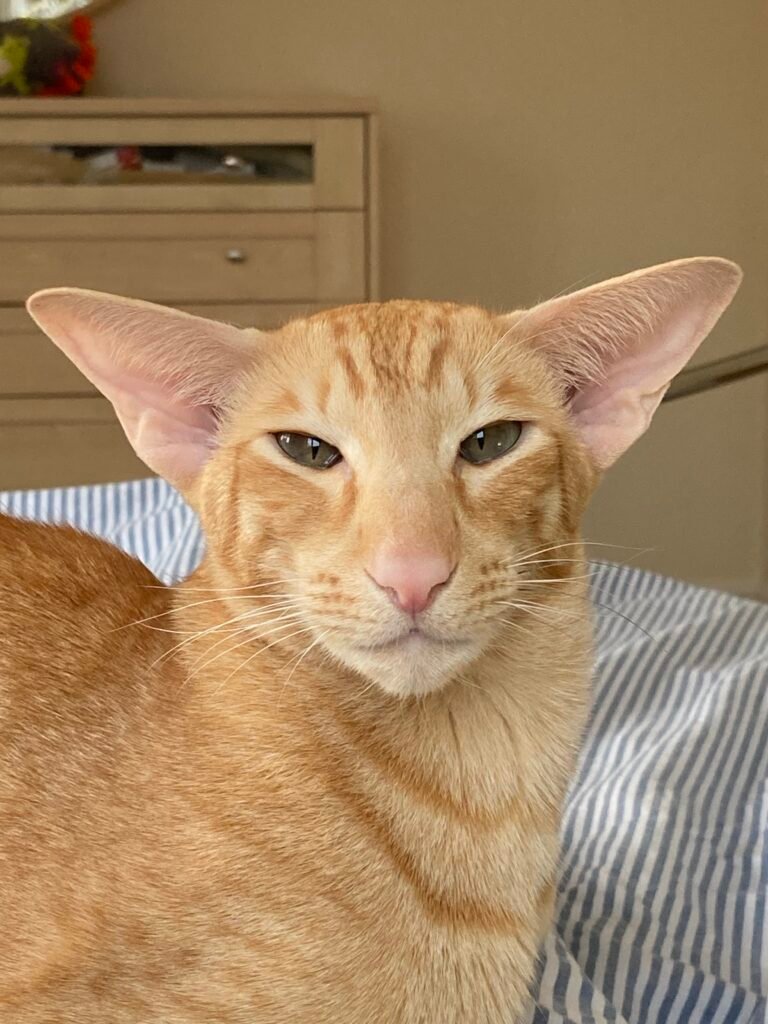
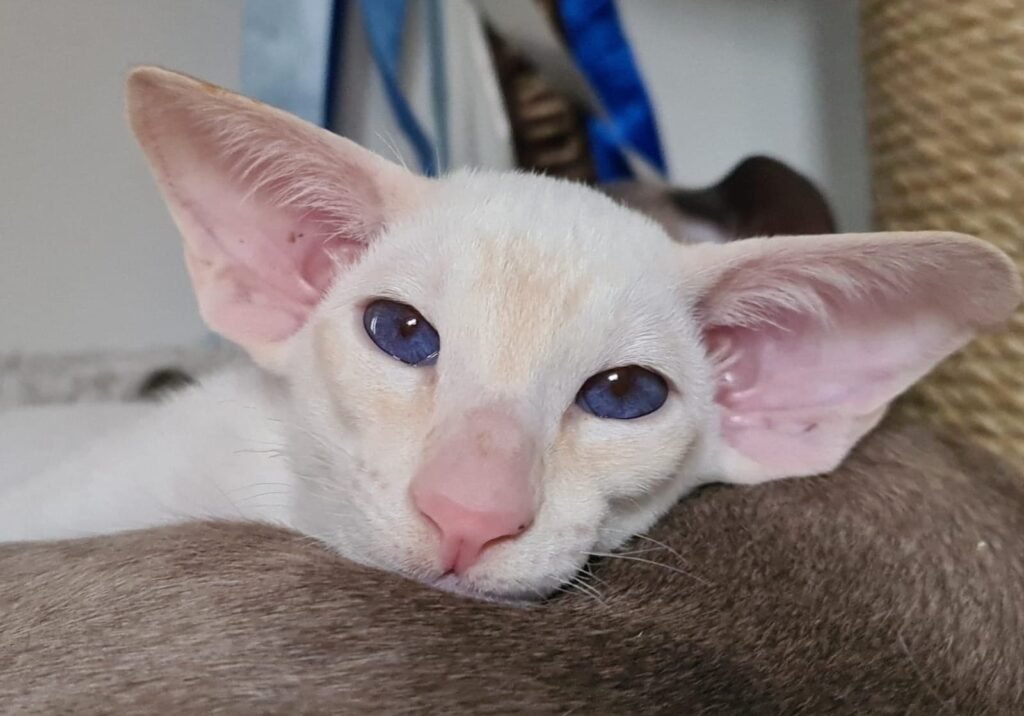
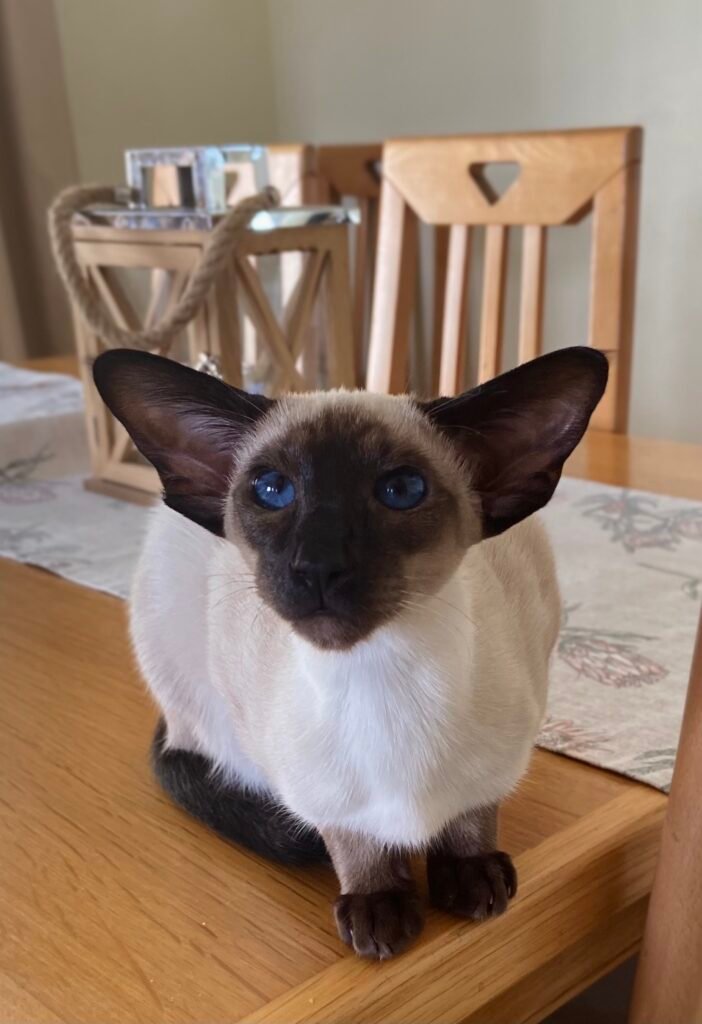
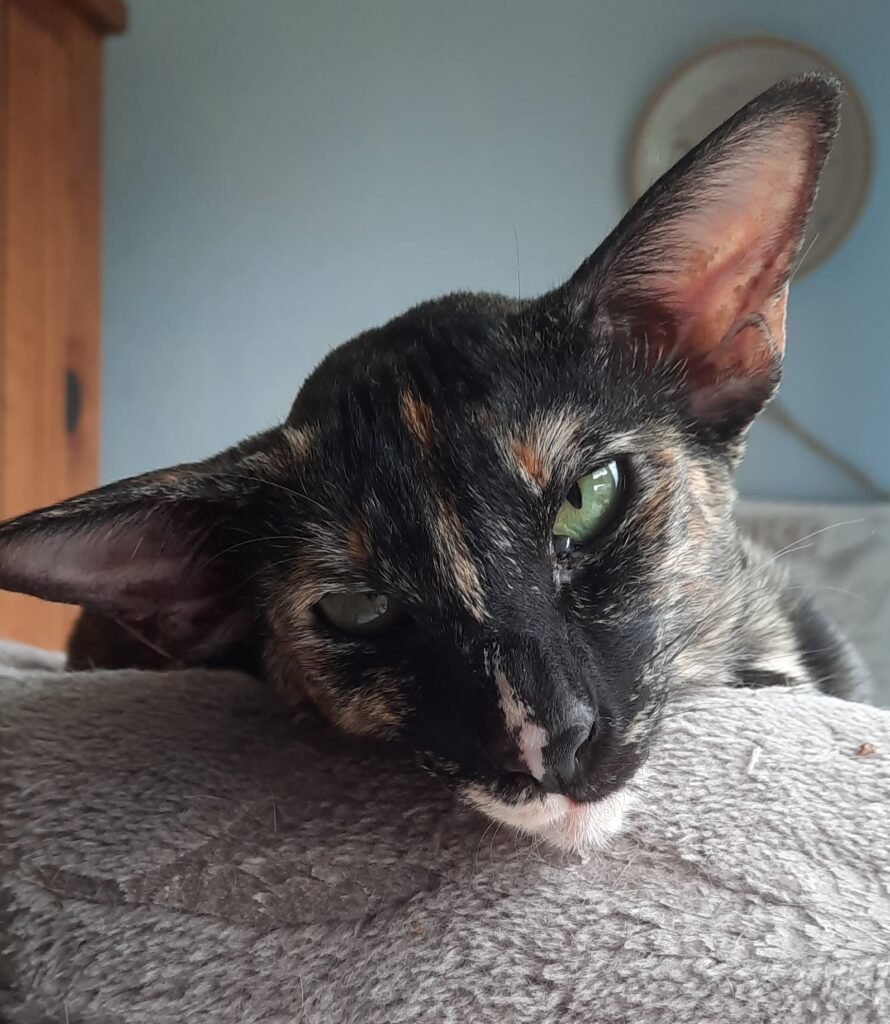
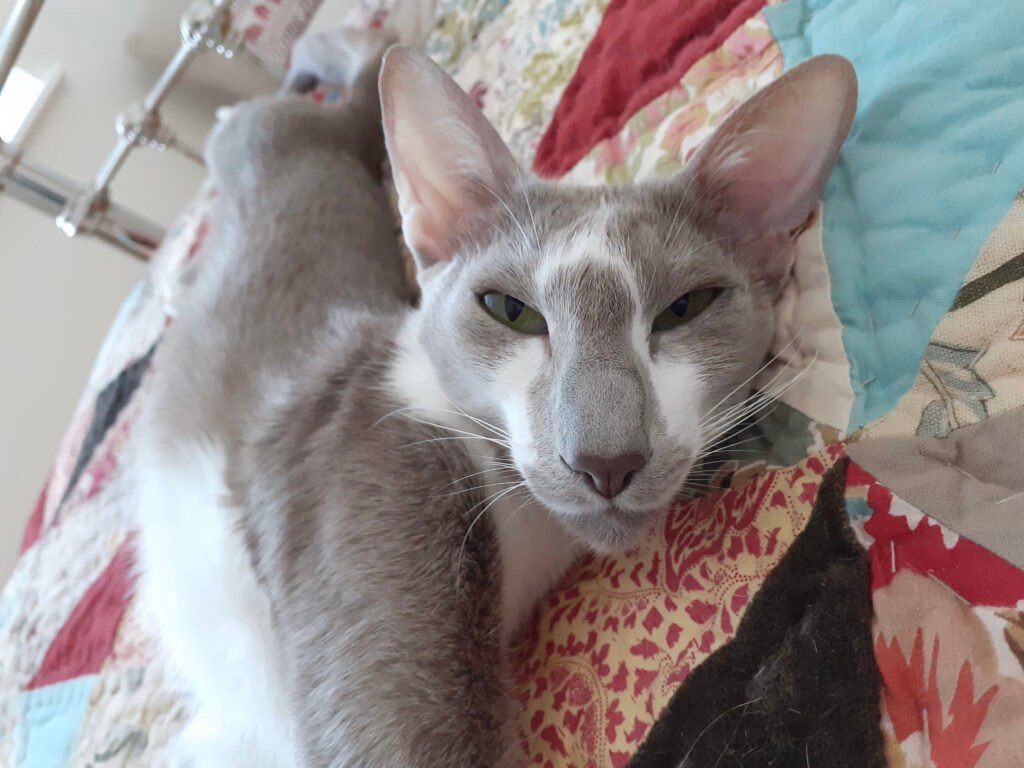
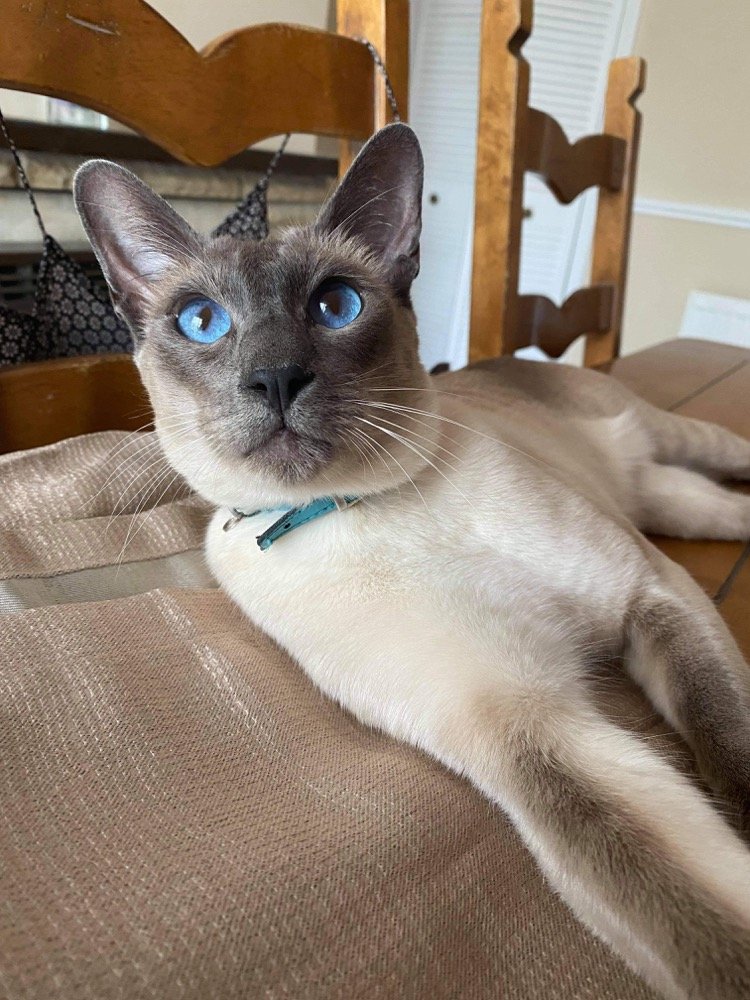
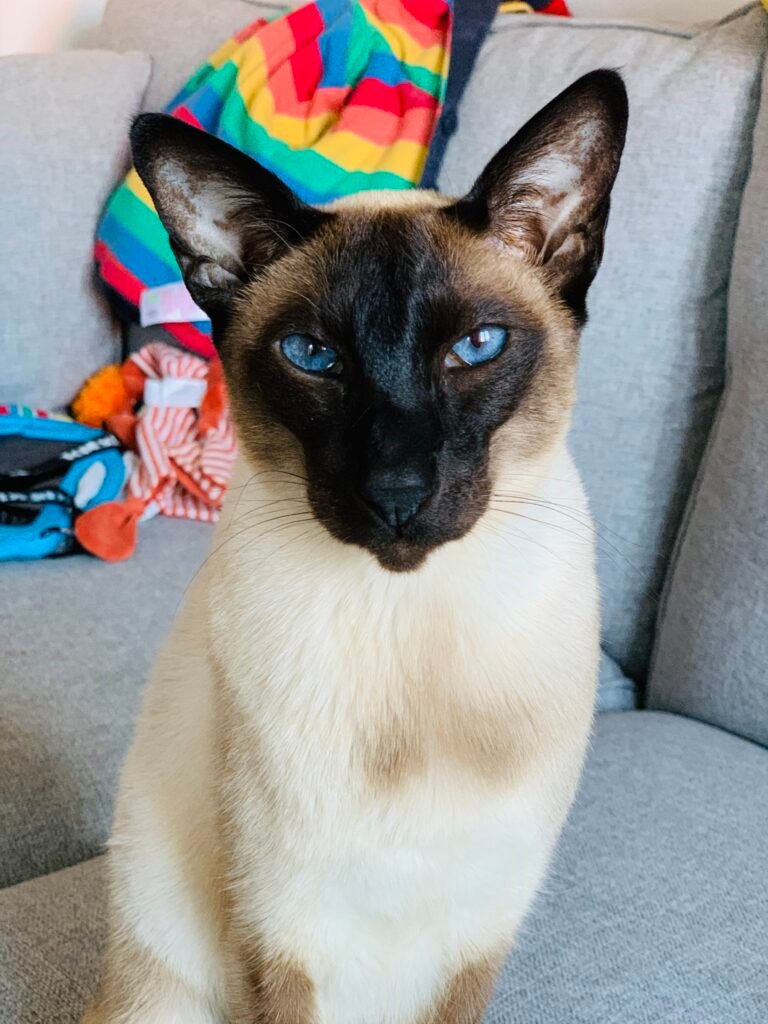
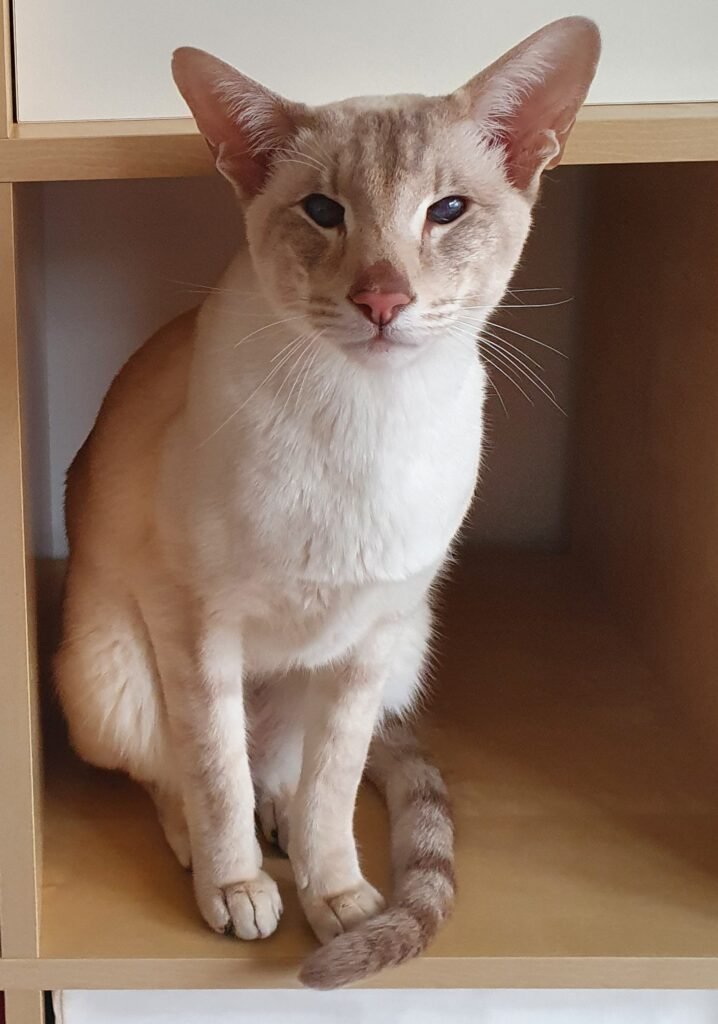
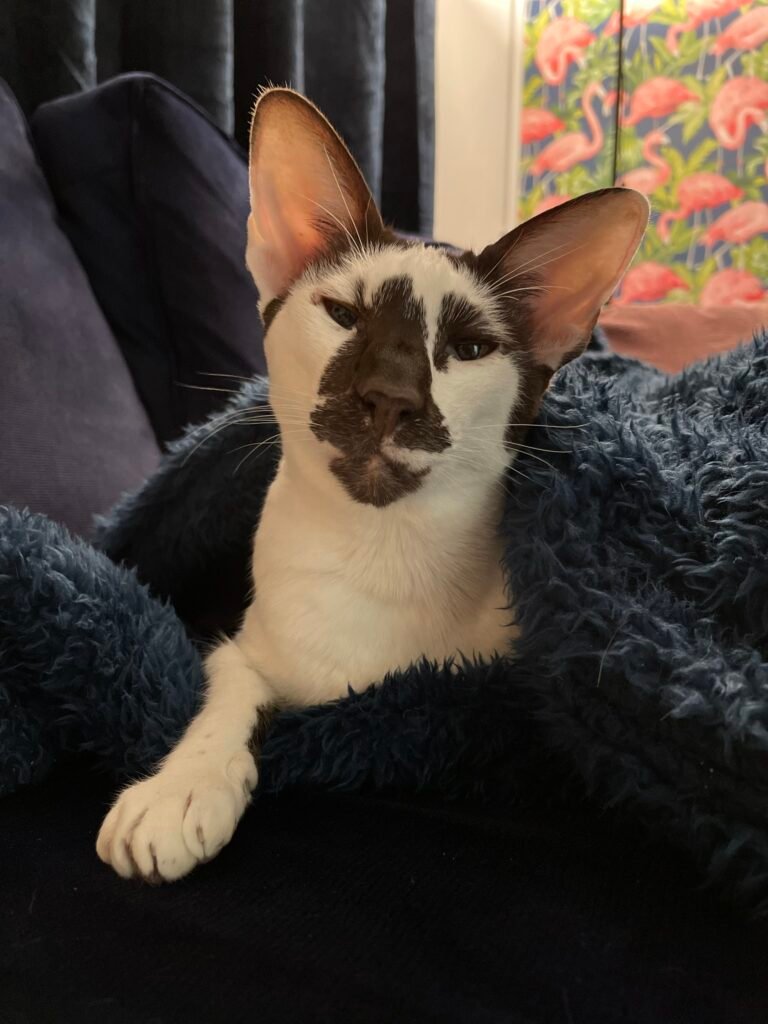
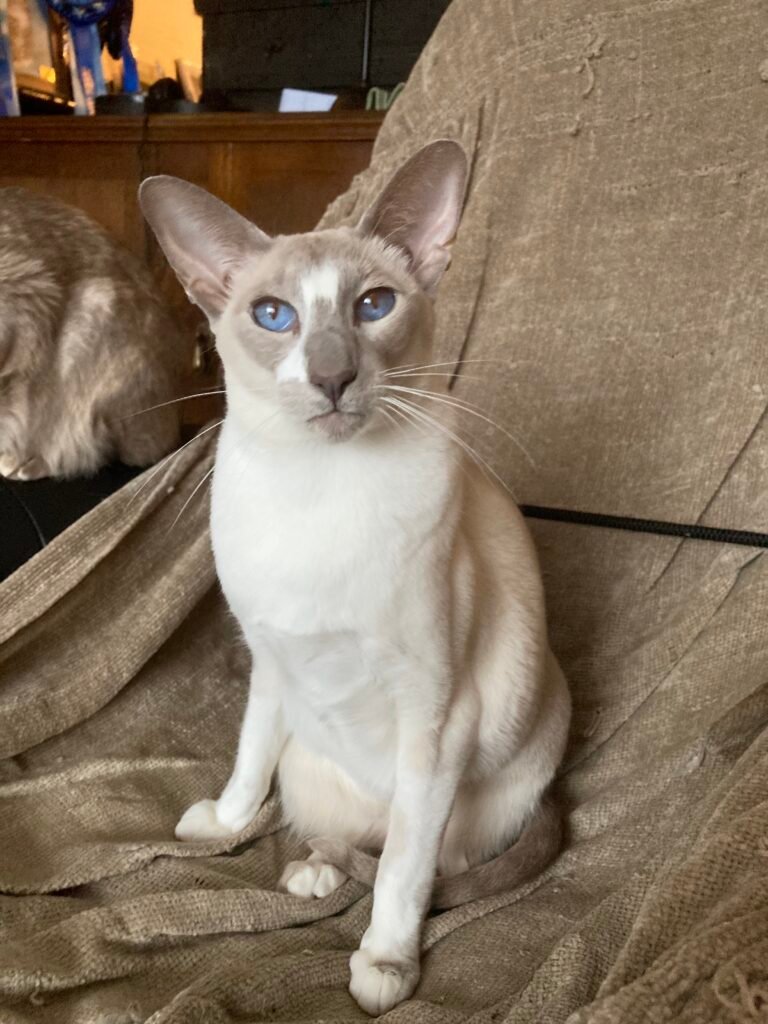
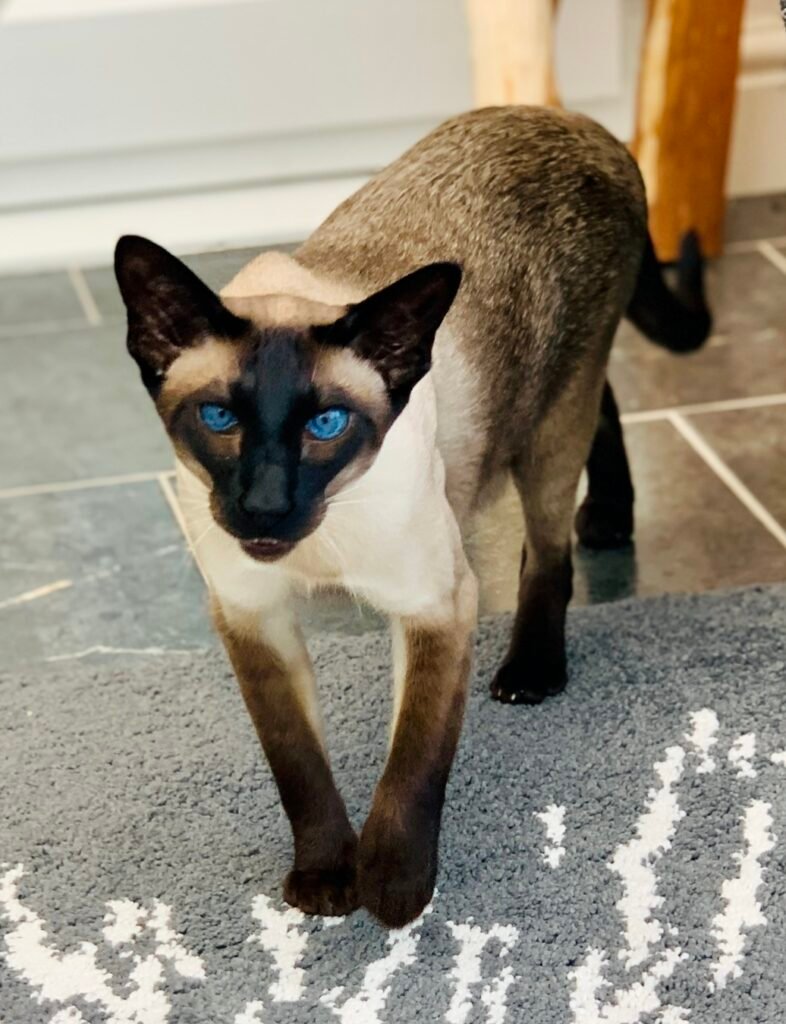
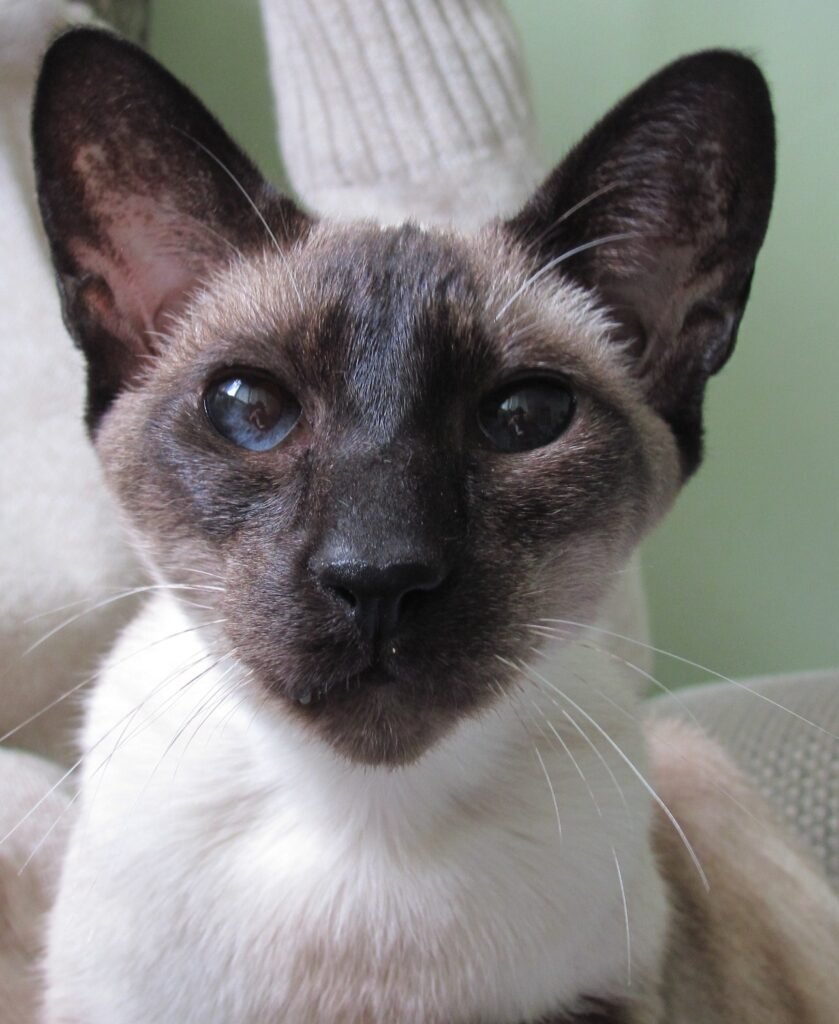
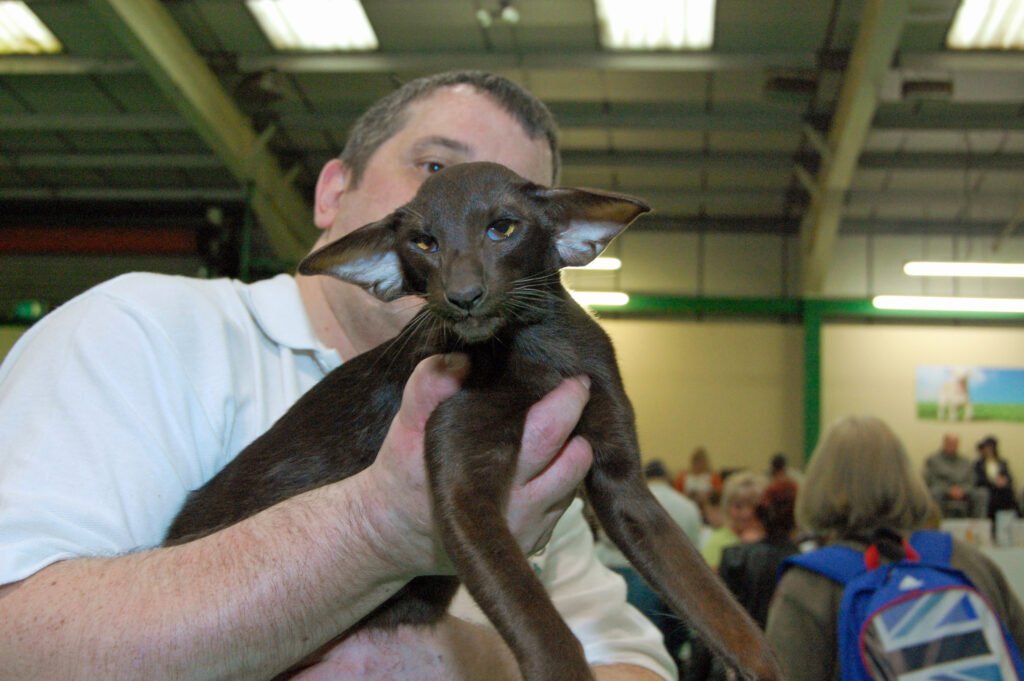
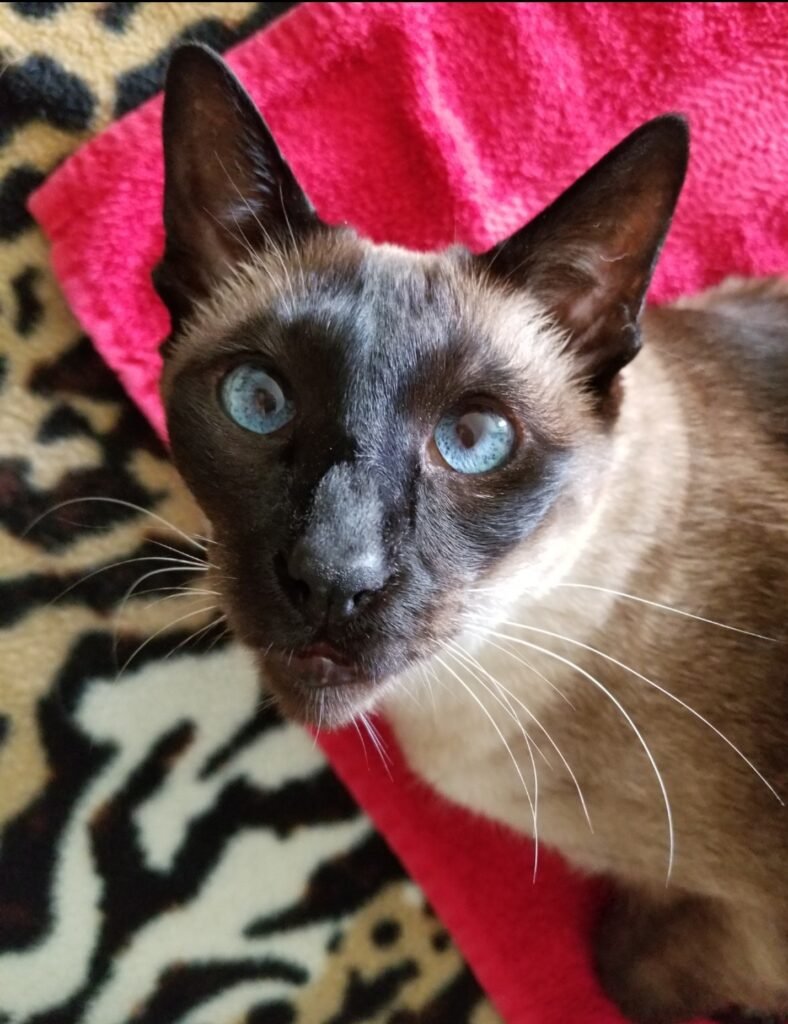
The photo galleries included in this article show a range of ear placements seen in Siamese and Oriental cats. Some examples demonstrate excellent ear placement, while others illustrate ear positions that would attract some penalty. They also show that even very good cats can display slight variation while still remaining within the acceptable range.
Understanding that variation is an important step in developing sound judgement.
The Section 6 Wedge
The head of a Siamese or Oriental cat should form a long, balanced wedge.
When viewed from the front, the head should create a smooth triangular outline which narrows in straight lines from the ears to a fine muzzle.
The ears form the upper points of this triangle and should continue the outer lines of the wedge.
For this reason, ear placement cannot be judged in isolation. The ears must work with the shape of the head to produce the correct triangular balance.
The head should also show:
- good width across the skull between the ears
- straight lines narrowing to a fine muzzle
- a long straight nose continuing the line of the forehead
- a deep, firm chin that aligns vertically with the nose leather
All of these elements combine to create the elegant head associated with Siamese and Oriental breeds.
What Correct Ear Placement Looks Like
Correct ears should be:
- Large
- Wide at the base
- Positioned so they continue the lines of the wedge
When the ear placement is correct, the ears appear to extend the triangular outline of the head. The wedge looks balanced and open, with the ears forming the upper framework of the head shape.
Correct ear placement also helps produce the distinctive alert expression associated with these breeds.
It is important to remember that ears do not stand alone. Their effect depends on how they relate to:
- the width of the skull
- the taper of the wedge
- the length of the muzzle
- the alignment of the profile
When all these elements are in harmony, the head will appear balanced and elegant.
Acceptable Variation
One of the most useful lessons for a junior judge is recognising that good cats are not identical.
Even among high-quality Siamese and Oriental cats there can be slight differences in ear placement.
Examples that may still fall within an acceptable range include:
- ears that appear slightly higher than ideal
- ears that sit a little wider
- ears that appear marginally lower
Provided the ears still contribute to the triangular outline of the head, these variations can still be acceptable.
This is why the photo galleries include several cats with very good ear placement that are not identical to one another. The important point is whether the ears support the wedge, not whether they match a single fixed position.
When Ear Placement Is Incorrect
Ear placement becomes incorrect when it disrupts the triangular balance of the head.
Common faults include:
Ears Set Too High
When ears are placed too high on the head:
- the wedge may appear narrow
- the triangular outline becomes distorted
- the head can appear smaller or more pointed
Ears Set Too Low
When ears are set too low:
- the wedge may appear broader or heavier
- the triangular outline becomes flattened
- the ears appear to sit on the sides of the head rather than extending its lines
Bonneted Ears
Ears that tilt excessively forward can also alter the outline of the head and disrupt the balanced triangular appearance.
Ear Placement and the Level of Award
When assessing ear placement, it is important to understand how faults should influence the level of award given.
Incorrect ear placement is not a withholding fault. It is a feature that contributes to the overall quality of the exhibit and therefore affects the judge’s decision on placings and awards.
Incorrect ear placement should influence the level of award given, not automatically lead to withholding.
If the ears are set too high, too low, or otherwise disrupt the triangular balance of the head, the judge should take this into account when assessing the cat. The exhibit may still be placed in the class but may not reach the same award level as a cat with a more correct head balance.
Judges must therefore consider how the ears influence the overall wedge and the harmony of the head.
The principle that should guide this decision is that:
- Minor imperfections may be acceptable at some award levels
- Higher awards require closer adherence to the ideal
This reflects the wider principle used when judging all cats.
The level of any award remains at the discretion of the judge. Minor imperfections may be acceptable at some award levels, while higher awards may require closer adherence to the ideal. This discretion does not apply to withholding faults, which must always be acted upon.
Ear placement therefore becomes part of the judge’s overall assessment of quality. A cat with slightly imperfect ears may still be an excellent exhibit in other respects, but the ear placement may influence whether the cat reaches the highest award available.
Key Point for Junior Judges
When assessing ears, ask yourself two questions:
- Do the ears still contribute to the triangular wedge?
- If not, how much does this affect the overall balance of the head?
The answer to these questions should influence the level of award, not automatically lead to withholding.
A Useful Rule of Thumb
If the ears still support the wedge and the overall head balance remains correct, the exhibit should be assessed in the context of the whole cat. Slight imperfections should influence the level of award rather than automatically preventing an otherwise good exhibit from receiving an award.
Judging the Whole Cat
No Siamese or Oriental cat should be judged on a single feature.
Even if the ears are not ideal, a cat may still possess many excellent qualities, such as:
- a strong wedge
- a correct profile
- a firm chin
- good eye shape and placement
- an elegant body type
- correct coat texture and condition
Judges must therefore consider the overall balance of the exhibit.
Focusing too narrowly on ears can lead to overlooking cats that are otherwise excellent representatives of the breed.
Developing a Good Eye for Ear Placement
Developing a reliable eye for ear placement takes time and experience.
Junior judges should aim to:
- observe a wide range of cats
- compare strong examples with weaker ones
- study how the ears relate to the wedge
- consider the head as a complete structure
Photographs and comparative examples can be particularly helpful in developing this understanding, as they allow multiple examples to be studied side by side. Photographs are therefore most useful as learning tools away from the show environment.
Final Thoughts
Ear placement is an important part of the Siamese and Oriental head because it contributes to the triangular wedge that defines these breeds.
But ears alone do not determine the quality of the cat.
The key is balance.
When the ears follow the lines of the wedge and contribute to the triangular outline of the head, they enhance the elegance and expression of the exhibit.
The most successful judges are those who step back and assess the whole exhibit, recognising how all elements of type work together to produce the distinctive look of Siamese and Oriental breeds.
